Faith
What do we believe about God?
We believe that God is love. The outpouring of this infinite and perfect love is the source and purpose of creation. God is both a supreme mystery that is beyond our ability to understand or describe; and at the same time, we are able to know God and be in a relationship with God because God loves us and wants to be in relationship with us through prayer, creation, and all of life. And because love is about relationships, we describe God as a Trinity of loving relationships between the Father, Son (Jesus), and Holy Spirit.
What is the role of Jesus in our faith?
Jesus is the eternal love of God who came among us. Jesus was born in a time of chaos and through scandal, proclaimed God's liberation and love for all, ministered to the lost, rejected, and sick, and taught about love as the holy alternative to the ways of the world. Because love can be a subversive and challenging message, Jesus was opposed and eventually killed. This death is seen as saving because his death makes it clear that all that stands between us and God has been put aside: our mistakes are forgiven and death does not extinguish love. Because love is stronger than death, Jesus, as the love of God incarnate, was raised from the dead after three days. By the grace of God, all of creation is included in this Resurrection and we share in his victory.
What is the Holy Spirit?
The Holy Spirit is a part of the essence of God and is how we describe the presence of God in our lives and in our world. The Spirit is sometimes described as the courage, compassion, generosity, peace, and wisdom that seems to come as a gift and flows through us. We also understand that it is the Spirit that animates us and dwells within us, giving us our very life.
What is the role of the Bible in our tradition?
The Bible is the divinely inspired record of various people's encounters with God. We look to Scripture to guide us towards knowing Jesus more fully. The Bible provides critique, comfort, and clarity, and is important and indispensable in our faith. However, the Bible is not the object of our worship and is bound by the limits of human language. Therefore, understanding the Bible always requires community, scholarship, and humility. We are aided in reading Scripture by the wisdom and guidance of the Holy Spirit.
What is our purpose as a congregation?
We gather as the beloved community of God because faith is not something that we can do alone. We need one another to more fully reflect the image of God in which we are made. We come together to rehearse and practice our faith as we give generously, forgive those who have wronged us, confess that we are not perfect and do not have all the answers, appreciate the gift of beauty, share in the joys and burdens of life, and hope audaciously. It is also as a gathered people that we receive the Sacraments of God, which are the tangible manifestations of God's love that God has entrusted to the Church. In all things, we strive to be a beacon of God's light and love in our community.
What does it mean to believe?
While it is often defined as what we think about something or our opinion on a topic, belief is actually about relationship. In the history of language, the word is derived from holding something dear, as in a beloved. Therefore, belief in God is not about the intellect; it is a description of our fidelity to and trust in God as our loving creator and Jesus as our savior and guide. Even in the more common usage of belief as thinking about something, our beliefs are manifest in our actions.
What do we believe about humanity?
Humans are creatures made by and for the love of God. God sees us as good, meaning that God is pleased with humanity as the reflection of the image of God, meaning that we are capable of love and being the caretakers of creation. However, humans are also plagued by sin, a way of describing our limited, imperfect, and often selfish nature. This nature is not something that we are able to overcome on our own, but Jesus restores our brokenness and gives us his way of love to follow.
Beliefs
Same-Sex Marriage
We believe that all couples that are in healthy, monogamous, and consensual relationships are embracing the divine gift of love and partnership. All couples are eligible for marriage at St. Luke's and one's sexual orientation has no bearing on fitness for ministry or leadership in the Church. Furthermore, we believe that marriage is a vocation and calling and marriage is not seen as normal. We also affirm and welcome those who are single, divorced, or not interested in romantic relationships.
Divorce
While divorce, as a broken relationship, is tragic, sometimes it is the holiest and best outcome for a relationship. People who are divorced are not seen as failures nor are they prohibited from serving in any capacity in the church.
Gender Identity
Everything in creation exists on a spectrum, and this is true of gender as well. Gender is a culturally bound and genetically influenced sense of identity that is impossible to fully understand and tease apart in any specific case. We also believe that our lives are indelible gifts from God. Our identity as God's beloved can never be lost. Some people, through a process of discernment, come to recognize that their God-gifted identity does not align with the way in which their gender has been expressed up to that point. We, therefore, welcome people who are questioning their gender identity or have already transitioned. Again, all are welcome to participate fully as beloved members of the congregation and all ministries are open to them.
Capitalism
Jesus teaches us that the love of money is the root of all evil. While capitalism can and does provide great opportunities for innovation and growth, it also comes at the cost of economic exploitation and inequality. Because of our proclivity towards sin, we are easily tempted by the allure of wealth and consumerism. This is why we teach that generosity and giving money to support the work of the Church and to the relief of those in need is so important. Money is a necessary evil in society and so we strive to be faithful stewards of our financial resources while also knowing that money is not the true marker of success or faithfulness.
Abortion
We believe that all life is sacred and is a gift from God. Life is the result of the Holy Spirit moving within us, and without the breath of God, we are not alive. Our bodies and lives are, therefore, not ours to do with as we please; they are gifts we are given to steward in alignment with the love of God. We also know that human sexuality and reproduction are fraught with complications and complexities, and we trust that the right people to make decisions in each particular circumstance are the people involved. Any decisions regarding reproductive questions are to be made with prayer, discernment, humility, and a confession that we are doing our best, but our best is not always, or often, perfect. The Church stands ready to support all people in these difficult decisions with forgiveness, compassion, and understanding.
Racism
Race is a socially constructed and specious classification of people for the purpose of segregation and exploitation. Race is not the same thing as ethnicity or nationality. However, just because race is an intellectual classification does not mean it has not done real harm to generations of people. We condemn racism and white supremacy and are committed to the work of promoting justice, opportunity, and dignity to all people. We believe that diversity is a gift from God and all people, regardless of their skin color, nationality, ethnicity, or other background, are a part of God's beloved community.
Church
What should I expect in worship?
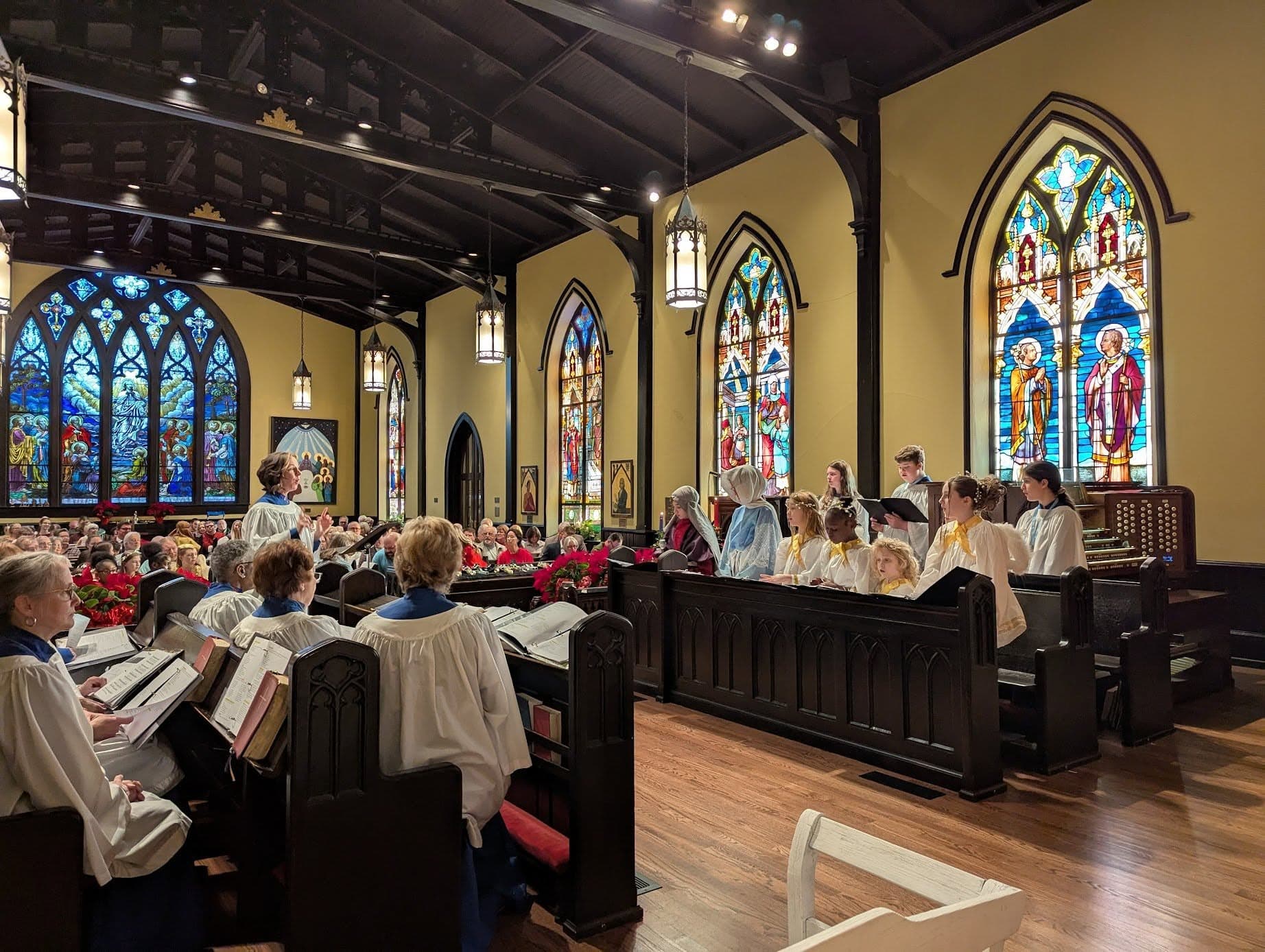
It is our hope that you will encounter and be embraced by a love and peace that pass all understanding. We come to worship primarily to receive and grow in the transforming love of God in beloved community. Our worship would be described as traditional by most people. Our worship is centered around the reading of Scripture, a sermon that seeks to teach and proclaim our faith, and the sharing in Holy Communion, a ritual meal in which we remember the Passion of Jesus and receive bread and wine which are received as participating in the Body and Blood of Jesus. All people, regardless of age, beliefs and doubts, history, or identity are welcome at St. Luke's. There is no dress code at St. Luke's and you will find some people wearing suits and dresses, while others will wear jeans or khakis with a polo shirt or blouse.
What is required to be a member?
All are welcome to participate in the full range of our ministries. The only things that require formal membership in the Episcopal Church are serving on Diocesan committees, starting the ordination process to become a deacon or priest, or serving on the Vestry. All are welcome to contribute to and participate in all aspects of our congregation's worship, social, and ministry events and programs. To become a formal member of the Episcopal Church and St. Luke's, new member classes are generally offered once a year. What is not required of members: signing a covenant of belief, giving a particular amount of money, agreeing with everything that is said in sermons. What is expected and helpful of members: financial support, as able; volunteering and sharing your skills; praying for the congregation and its leaders; and prioritizing coming to worship.
What is your accountability and governance structure?
Our structure is marked both by shared leadership and clear accountability. In the Episcopal Church, we use the term Rector for our Senior Pastor/Priest. The Rector is tenured, meaning that they cannot be fired without serious cause and the Bishop's agreement that removal is the best and only option. The Rector serves as the chief of staff and presides over the Vestry. The Rector is responsible for spiritual care and nurture of the congregation and has oversight of worship and ministries, as well as control of all buildings. The Vestry is the legal and financial trustee of the parish. Our Vestry is made up of twelve members who serve staggered three-year terms. The Vestry, along with the Rector, provides guidance and direction for the congregation. The Vestry has oversight of the maintenance of our buildings, sets and reviews the annual budget, and makes all financial decisions for the congregation. When the congregation does not have a Rector, the Vestry hires a new Rector.
Why does belonging to a church matter?
Belonging is something that is necessary for us to thrive and grow. Our culture does not always recognize the values of commitment and belonging. While it is certainly possible to attend occasional events at the church, when we recognize that we are a part of something bigger than ourselves, we are freer to grow more fully into the people God has made us to be. In faith, we say that the verbs are always plural. Yes, it is possible to have a personal relationship with God, but faith is never private; it is always about community because God has created us to be in relationship with one another. When we commit to being a part of a church, we have opportunities to grow and practice things like generosity, forgiveness, lament, joy, and hope. And not only does belonging to a church help you, but it also enriches our beloved community and furthers what we can do together.